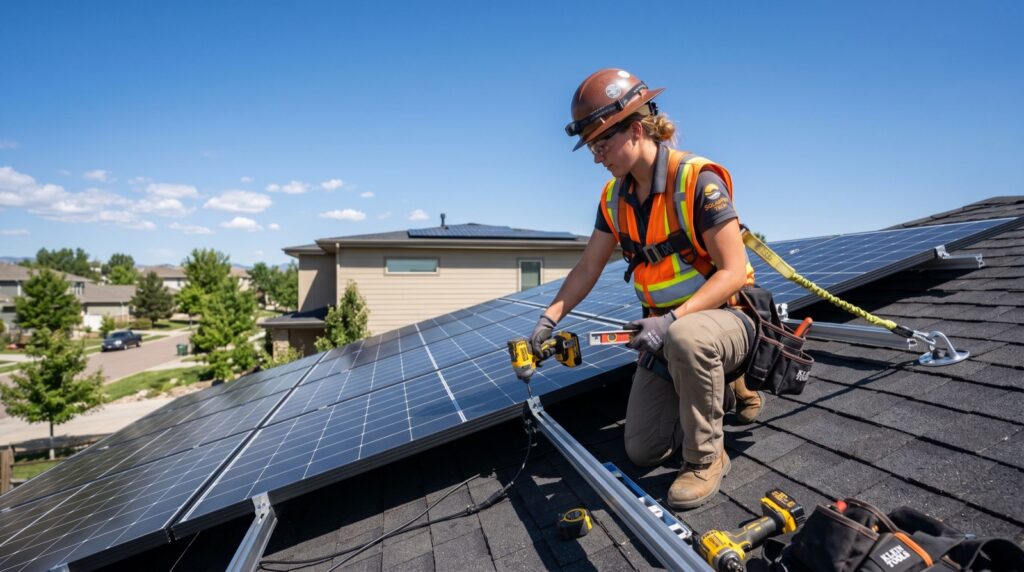
Choosing a Solar Company in Peshawar: 7 Smart Checks for 2026
Finding the right solar company in Peshawar is the single decision that determines whether your rooftop system becomes a quarter-century asset or a costly disappointment. The panels on the market are broadly similar; the engineering, paperwork, and after-sales support are what separate a system that quietly pays for itself from one that limps along at half its promised output. This guide gives you seven practical checks to apply before you sign anything in 2026.
Peshawar’s climate is a strong match for solar. Long, bright days through most of the year mean a correctly sized array can cover the bulk of a household’s daytime demand, from ceiling fans and refrigeration to water pumps and air conditioning during the fierce summer months.
Why a Local Solar Company in Peshawar Beats a Distant Vendor
Solar is a long relationship, not a one-off purchase. A nearby provider can survey your roof in person, understand local grid behaviour, and show up quickly if a connector loosens or an inverter throws a fault. The International Energy Agency notes that solar is now the cheapest source of new electricity across most of the world, but those savings only materialise when a system is installed and maintained correctly over its full life.
Working with a reputable solar company in Peshawar also smooths the net-metering process. Local teams know exactly how the regional distribution company processes applications, which forms are needed, and how to avoid the delays that trap customers who buy hardware online and try to self-install.
The 7 Checks Before You Choose
Run every shortlisted installer through this list. If a vendor stumbles on more than one point, keep looking.
- Track record. Ask for recent local installations and, ideally, live monitoring data showing real output.
- Equipment tier. Insist on Tier-1 panels and reputable inverters with warranties honoured inside Pakistan.
- Engineering design. A proper proposal includes a shade study, string layout, and an estimate in kilowatt-hours.
- Transparent pricing. The quote should itemise panels, inverter, mounting, wiring, and net-metering separately.
- Warranty clarity. Understand what is covered, for how long, and who you call when something fails.
- Net-metering handling. The company should file and track the application for you end to end.
- After-sales service. A named support contact and defined response time beat a vague promise to “be there”.
Choosing well means partnering with reliable local experts who stand behind their work rather than vanishing once the invoice clears.
How Much Can a Household Actually Save?
The honest answer depends on your consumption pattern, but the direction is clear. Households that shift heavy use into daylight hours and pair that with net-metering typically see the steepest bill reductions. The table below gives realistic 2026 expectations for three common home sizes.
| System size | Suited to | Typical daytime offset | Indicative payback |
|---|---|---|---|
| 3 kW | Small home, modest cooling | 50–70% | 4–6 years |
| 5 kW | Average family home | 60–80% | 3–5 years |
| 10 kW | Large home with AC and pump | 70–90% | 3–5 years |
Beyond the arithmetic, there is a quality-of-life dividend. Reliable daytime power keeps food refrigerated, water pumped, and rooms cool during heatwaves, all of which matter for a comfortable, healthy home.
Matching the Right Products to Your Roof
Hardware choice should follow your goals, not the other way round. A family that simply wants lower bills needs a lean on-grid system; a household that cannot tolerate outages needs a hybrid with storage. When you browse a catalogue of solar products in Pakistan, focus on three specifications that genuinely drive performance.
- Panel efficiency and temperature coefficient: higher efficiency and a lower temperature coefficient mean better output in Peshawar’s summer heat.
- Inverter type and MPPT count: more maximum-power-point trackers handle complex or partially shaded roofs better.
- Battery chemistry (if used): lithium-iron-phosphate offers longer cycle life than older lead-acid options.
Installation and Maintenance Made Simple
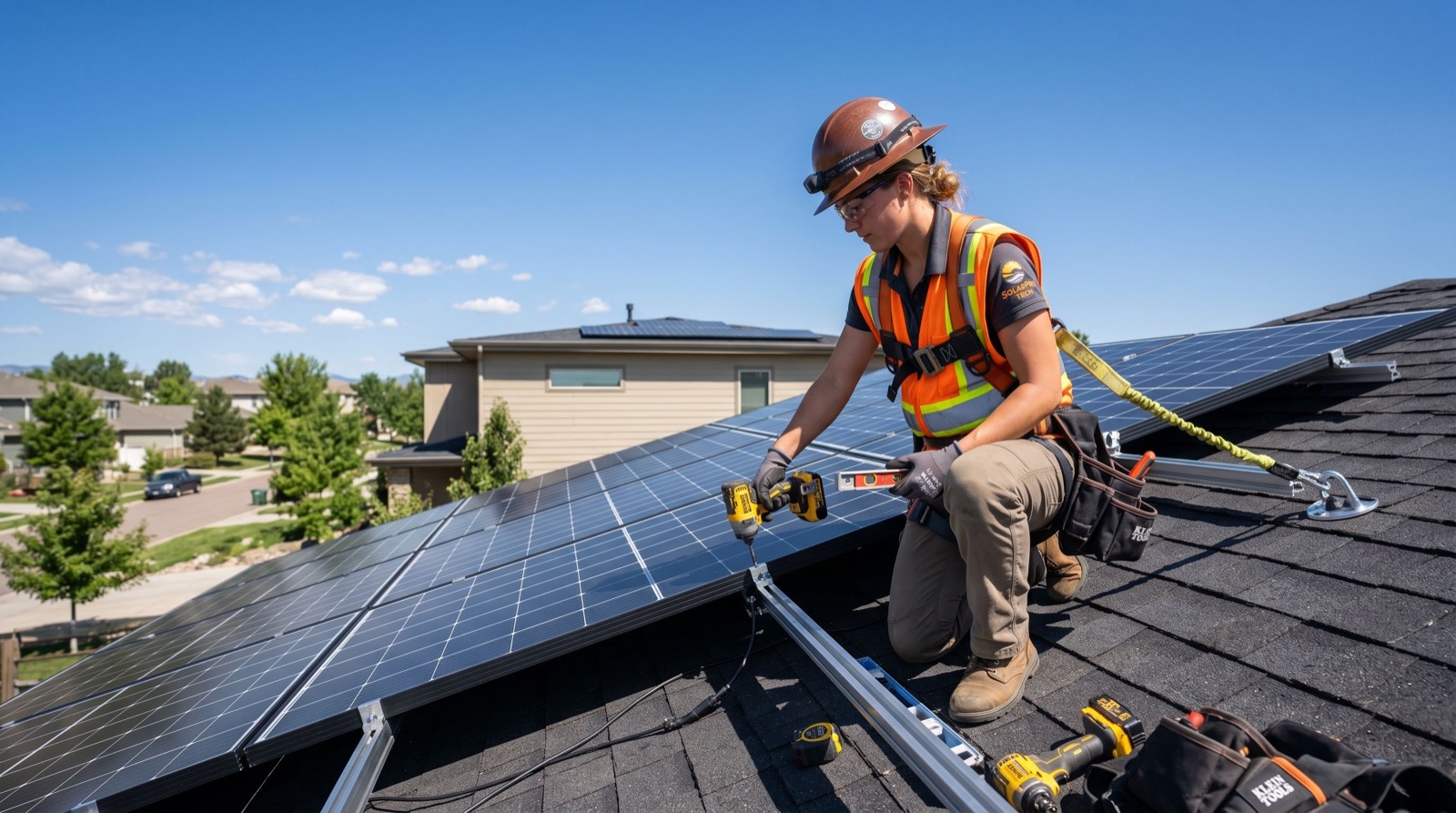
A standard home installation is completed in a few days, but the system’s long-term health depends on light, consistent care. Dust accumulation is the biggest silent thief of output in this region, so an occasional rinse during dry spells keeps the glass clear. An annual inspection of mounting hardware and electrical connections catches small issues before they become expensive ones.
Insist on monitoring from day one. A connected inverter lets you check daily generation from your phone, so you notice a dip immediately and can call your installer while the warranty still applies. This single habit protects your return more than any premium component ever will.
It is worth planning the installation day itself. Clear access to the roof, confirm where the inverter and any batteries will sit, and agree in advance on how cabling will be routed so it stays tidy and protected from the sun. A short walkthrough with the crew before they start prevents the small misunderstandings that lead to untidy work or a second visit.
Solar and Everyday Comfort in Peshawar’s Climate
Summers in Peshawar are punishing, and that is precisely when a solar system earns its keep. Air conditioners, fans, and refrigeration all run hardest during the brightest hours, so a daytime-generating array directly offsets your heaviest loads. Rather than dreading the next electricity bill during a heatwave, a solar household runs cooling freely while the sun is up and draws modest grid power only after dark. For families with young children or elderly relatives, that reliable daytime comfort is as valuable as the money saved.
Frequently Asked Questions
What size solar system do I need for my home in Peshawar?
Size follows consumption. Review a full year of electricity bills, identify your average daily usage, and let the installer map that to a kilowatt rating. Most average family homes land between 5 and 10 kW, with larger systems suited to properties running air conditioning and water pumps.
Is net-metering worth it in 2026?
For most grid-connected homes, yes. Net-metering credits the surplus units your panels export during the day against the power you draw in the evening, sharply improving the economics without requiring an expensive battery.
How long do solar panels last?
Quality Tier-1 panels typically carry performance warranties of 25 years and often keep producing beyond that at gradually reduced output. Inverters usually need replacement once during the system’s life, which is normal and inexpensive relative to the savings.
Can I add a battery later?
Often, yes, if you choose a hybrid or battery-ready inverter at the start. Tell your installer during the design stage that you may add storage later, so the system is wired to accommodate it without a costly retrofit.
Final Word
The best solar company in Peshawar will feel less like a salesperson and more like an engineering partner who measures, documents, and supports. Apply the seven checks above, demand a performance estimate in kilowatt-hours, and confirm who answers the phone when you need help. Get those fundamentals right in 2026 and your rooftop will deliver clean, reliable, bill-slashing power well into the 2040s.