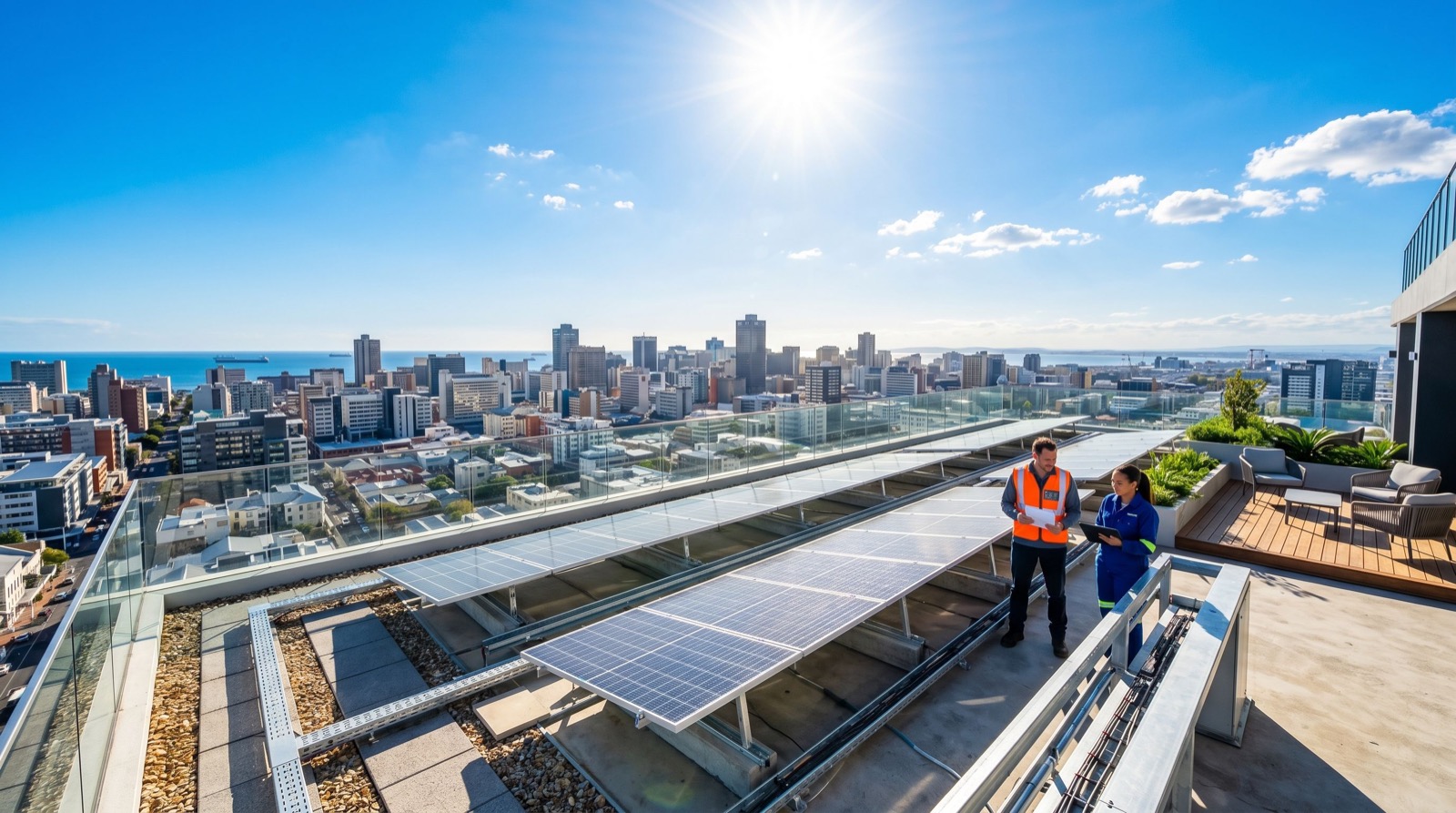
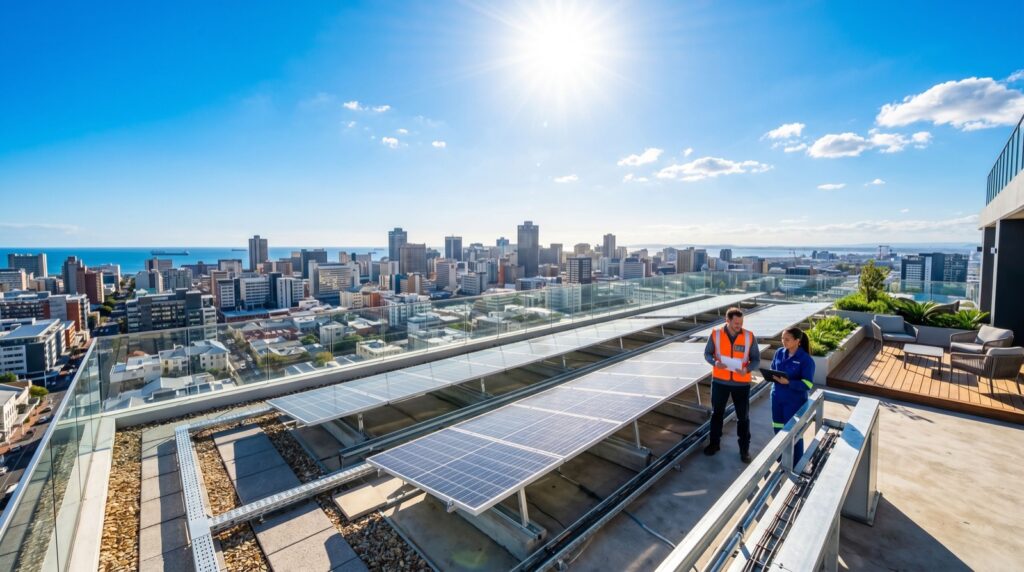
When a commercial roof in Karachi or a farmhouse outside Lahore finally goes solar, the difference shows up on the very first bill. That is why demand for large-scale solar projects in Pakistan has surged through 2026, as factories, schools, poultry farms, and housing societies race to cut diesel spend and shield themselves from tariff hikes. A well-engineered project is far more than a stack of panels — it is a designed energy system that pays back for a quarter of a century.
In this deep-dive we walk through how serious solar projects are scoped, sized, financed, and commissioned across Pakistan, using real project archetypes rather than glossy brochure talk. Whether you run a textile unit in Faisalabad or manage a hospital in Multan, the principles below help you separate a genuine turnkey installer from a panel reseller who disappears after the invoice clears.
What separates a real solar project from a panel sale
Anyone can bolt modules to a roof. A true project, however, begins with a load audit and ends with a performance guarantee. The engineering in between is where money is either made or wasted over the system’s 25-year life.
Reputable developers of solar projects in Pakistan start by studying twelve months of your consumption, your peak-demand curve, and the structural capacity of your roof or ground area. Only then do they specify array size, inverter topology, and any battery buffer. This discipline is what protects your yield when the summer sun is brutal and the grid is unstable.
- Load profiling — matching generation to when you actually draw power, not just annual totals.
- Structural survey — confirming the roof or foundation can carry mounting loads and wind uplift.
- Single-line diagram — a proper electrical design signed off before a single bracket is drilled.
- Commissioning report — documented string voltages, inverter logs, and a handover performance test.
Four solar project archetypes we see across Pakistan
Every site is unique, yet most projects fall into a handful of repeatable patterns. Understanding which one fits you clarifies budget and timeline before you ever request a quote.
Which project type matches your building?
A rooftop commercial array behaves very differently from a ground-mounted agricultural farm. The table below maps common Pakistani project archetypes against their typical size, best fit, and headline benefit so you can locate yourself quickly.
| Project type | Typical size | Best for | Headline benefit |
|---|---|---|---|
| Residential rooftop | 5–15 kW | Homes, villas | Bill offset + outage backup |
| Commercial rooftop | 25–200 kW | Factories, malls, schools | Slashed daytime tariff |
| Agricultural solar | 10–50 kW | Tube wells, poultry | Diesel replacement |
| Ground-mount / utility | 500 kW+ | Estates, industry parks | Bulk generation + net metering |
A worked example: a 100 kW textile-unit project
Consider a mid-size textile unit in Faisalabad running looms through daylight hours. Its daytime demand aligns almost perfectly with solar generation, which makes it an ideal candidate for a rooftop array with minimal battery.
A 100 kW system on such a unit typically generates 420–480 units on a clear summer day. Because the machinery consumes that power on-site, the owner avoids buying it from the grid at commercial tariff — the fastest possible payback route. Pairing this with high-efficiency solar inverters in Pakistan ensures the array converts DC to usable AC with minimal loss even during peak heat.
- Audit twelve months of electricity bills and demand meters.
- Survey roof area, orientation, and structural load capacity.
- Design the array, string layout, and inverter selection.
- File net-metering paperwork with the local DISCO.
- Install, commission, and hand over with a performance test.
Net metering and the 2026 regulatory picture
Net metering remains the single biggest lever for project economics, letting you export surplus daytime energy and draw it back later. The framework is set nationally, and every serious developer files the paperwork on your behalf.
You can review the official distributed-generation and net-metering regulations straight from the regulator at NEPRA, which publishes the current rules and tariff notifications for 2026. For commercial projects a three-phase connection and a compliant grid-tie inverter are prerequisites, so factor approval timelines into your project plan.
Financing and payback: the numbers that actually matter
Because panel prices fell sharply through 2024 and 2025, the payback window on well-scoped projects has compressed. Commercial rooftop arrays that offset expensive daytime tariff now routinely pay back in three to four years, then deliver two decades of near-free power.
Agricultural projects replacing diesel tube-well pumping see an even faster return, since the fuel they displace is so costly. When you evaluate bids, ask each installer for a projected yield in units, not just a system size — and choose reliable local experts who back their numbers with commissioned reference sites you can visit.
- Commercial rooftop — 3–4 year payback via daytime offset and net metering.
- Agricultural solar — 2–3 year payback when replacing diesel pumping.
- Residential — 4–6 years with backup, faster if grid-tied only.
Frequently Asked Questions
How long does a commercial solar project take to complete?
A 100 kW rooftop project usually takes two to four weeks from survey to commissioning, plus separate lead time for net-metering approval through your DISCO. Larger ground-mount projects can run one to three months depending on civil work.
Do solar projects in Pakistan need a battery?
Not always. Commercial units that consume power during daylight often skip large batteries and rely on net metering. Homes and sites needing outage backup add a lithium bank sized to their essential loads.
What warranty should a serious project carry?
Expect 12-year product and 25-year performance warranties on tier-1 panels, 5–10 years on the inverter, and a written workmanship warranty from the installer covering mounting and wiring for at least a year.
Can a project be expanded later?
Yes, if it is designed with headroom. Choosing an inverter and cabling with spare capacity lets you add strings or a battery in a future phase without rebuilding the core system.
Conclusion
The best solar projects in Pakistan in 2026 are engineered, not improvised — grounded in a real load audit, a structural survey, the right inverter, and a documented performance guarantee. Match your building to the right archetype, insist on projected yields in units, and verify reference sites before you sign. Do that, and your roof or land becomes a 25-year power plant that quietly funds itself. Ready to scope your project? Request a free site survey and design proposal today.